If you picture Encinitas as a place you only visit on weekends, it may be time to look closer. Everyday life here is shaped by the coast, walkable commercial pockets, and a housing mix that feels more personal than planned all at once. If you are thinking about buying or selling in Encinitas, understanding how beaches, shops, and homes connect can help you make a smarter move. Let’s dive in.
Why Encinitas feels lived-in
Encinitas stretches along about six miles of coastline and combines beach access, trail networks, and distinct neighborhood character. The city also maintains about 45 acres of beaches and more than 40 miles of trails, which helps explain why outdoor time is part of the local routine, not just a special outing.
That daily rhythm is one of the first things buyers notice. A morning walk, a surf check, a coffee stop along Highway 101, or an evening community event can all feel built into the week. For sellers, that lifestyle story often becomes part of what makes a home’s location meaningful.
Beaches shape the day
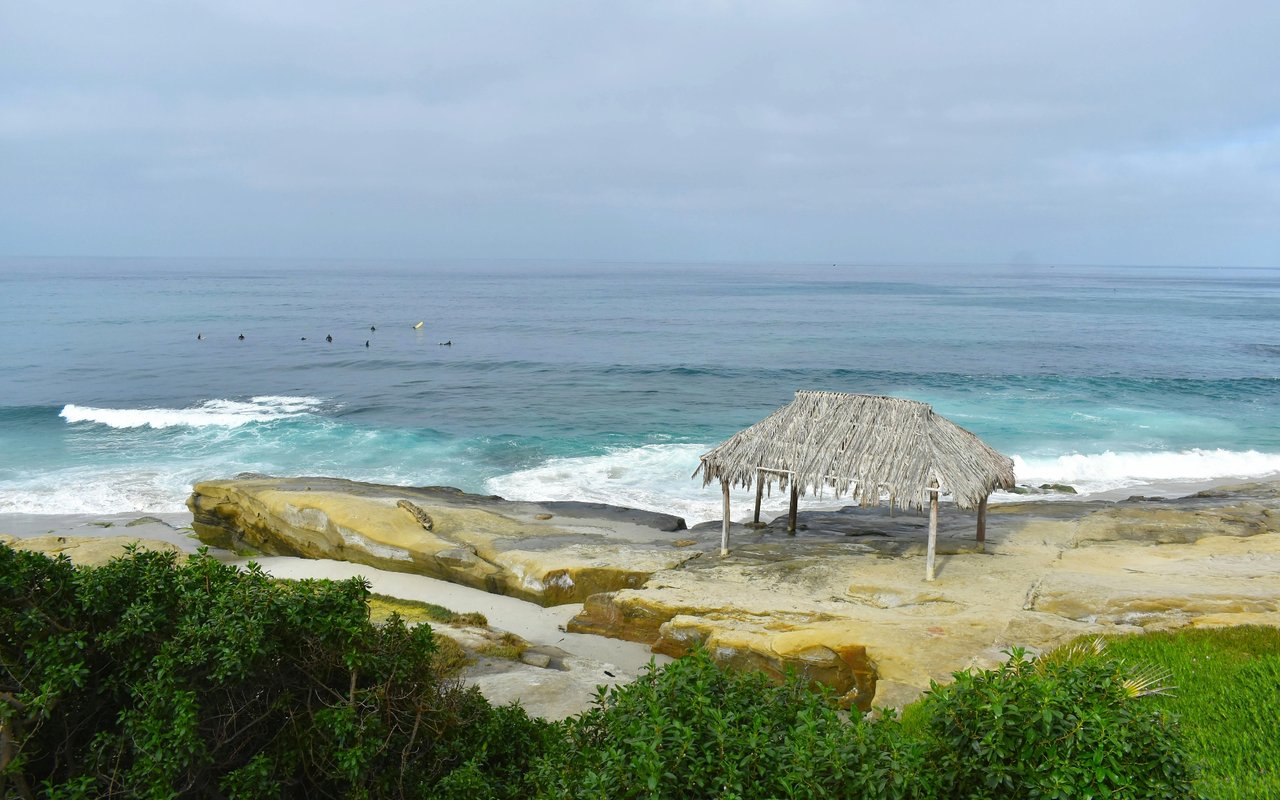
The shoreline is not one single experience. Encinitas includes Moonlight Beach, Swami’s, Grandview, Beacon’s, Stonesteps, and D Street, and each access point supports a slightly different pace and feel.
Moonlight Beach is one of the city’s best-known destinations, with ADA access, year-round lifeguards, restrooms, showers, picnic facilities, fire rings, a playground, tennis and volleyball courts, and parking. For many households, that kind of setup makes the beach easy to use on an ordinary Tuesday, not just a holiday weekend.
Swami’s adds another layer to daily life, with strong surf, local lore, public art, restrooms, and parking. Grandview and Beacon’s are also important coastal access points, especially for people drawn to the active, surfer-casual energy along North 101.
Trails add another side of coastal life
Encinitas is not only about sand and surf. The city’s trail system connects to places like Indian Head Canyon, Manchester Preserve, the Olivenhain trail network, and the Encinitas Ranch area, creating a broader outdoor lifestyle that reaches beyond the shoreline.
Nearby San Elijo Lagoon in Cardiff-by-the-Sea adds even more variety. The 979-acre reserve offers seven miles of easy-to-moderate trails from sunrise to sunset, along with birdwatching, hiking, and nature center programming.
For buyers, this matters because access is not just about ocean views. In Encinitas, your day-to-day experience may also depend on how close you are to bluff paths, canyon walks, or lagoon trails that fit your routine.
Downtown Encinitas offers a social core
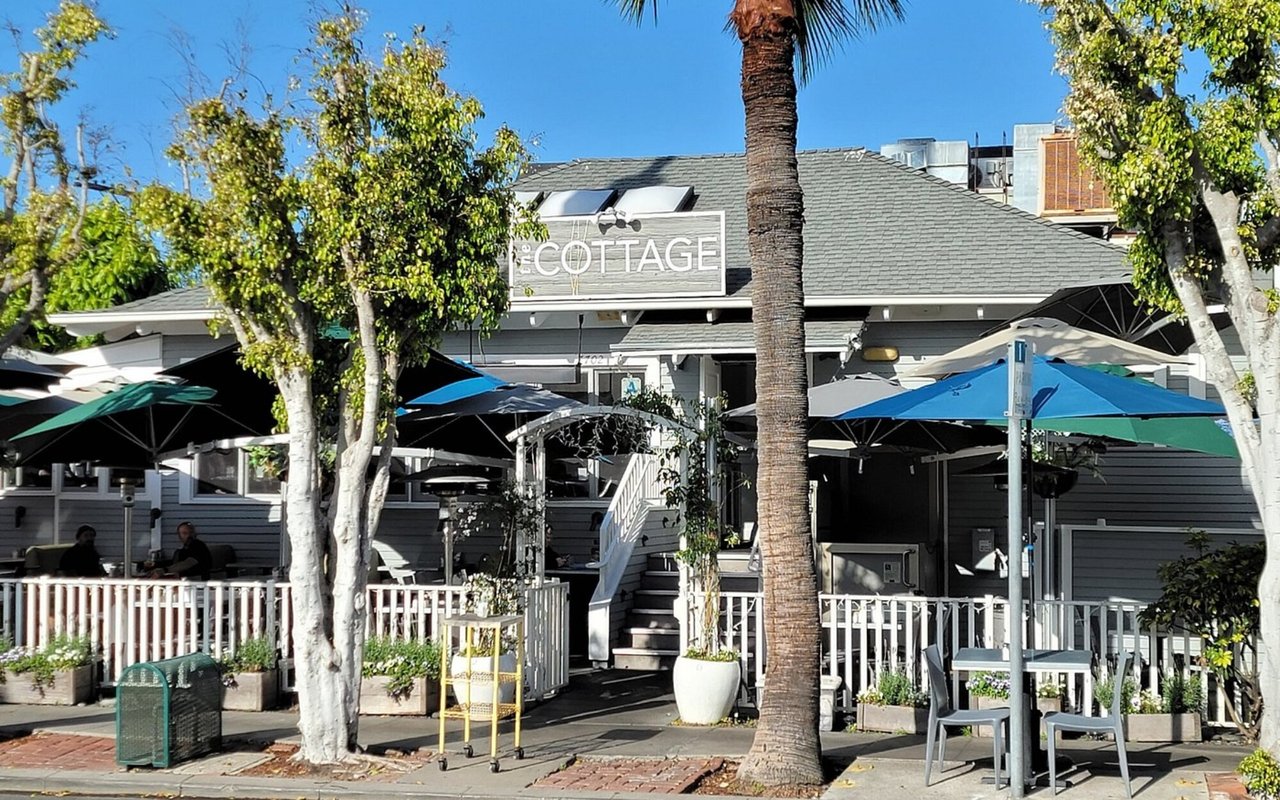
Downtown Encinitas, often called Downtown 101, gives the city a strong civic and commercial center. The city describes it as a century-old coastal shopping district with historic architecture, quaint shops, sidewalk cafes, specialty retail, and upscale restaurants.
Its physical layout also shapes how it feels. Narrow lots, buildings close to the sidewalk, and parking that often sits on the street or beside or behind buildings help create a small-scale, walkable environment rather than a large-format retail corridor.
That kind of downtown can change how you live in a place. Instead of driving in and out quickly, you are more likely to stroll, stop, and linger.
Arts and events keep downtown active
Pacific View Arts Center adds to that sense of place. Located in historic downtown, it offers classes and workshops in acting, dance, multimedia, music, visual arts, and writing, giving the area a creative and community-oriented dimension.
Recurring events also help define the local rhythm. Cyclovia Encinitas turns South Coast Highway 101 into a car-free promenade, while Moonlight Beach Concerts bring live music on four Sundays in July and August.
The city’s event calendar also includes gatherings like Art Night, the Holiday Parade, and Dog Days of Summer. Together, these events reinforce the idea that downtown is not just a commercial strip. It is part of everyday social life.
Leucadia has its own village feel
North of downtown, Leucadia and the North 101 corridor bring a different kind of coastal character. The city’s planning guidance describes this area as a small-scale, eclectic commercial corridor with village scale, pedestrian orientation, and support for family-owned businesses.
That description lines up with what many people notice on the ground. The corridor feels slower, more compact, and more individual than a typical suburban retail stretch.
The city’s Leucadia streetscape work also reflects that direction, with plans centered on bike lanes, sidewalks, crosswalks, landscaping, traffic-speed reduction, and tree-canopy restoration. For buyers comparing sub-areas, that can be an important clue about the long-term character of the corridor.
North 101 blends business and beach life
Recommended city walking routes describe Leucadia’s 101 as an eclectic mix of businesses, inns, eateries, and galleries, with beachgoers and surfers active at Grandview and Beacon’s. The same routes also note original Encinitas homes along the way, which helps explain why the area feels layered instead of uniform.
Planning guidance encourages cottage-type buildings and pedestrian-scale design, with one-, two-, or three-story elements preferred over long, flat building forms. In practical terms, that supports the compact, character-driven look that many buyers seek when they say they want an authentic beach-town setting.
Homes vary by micro-location
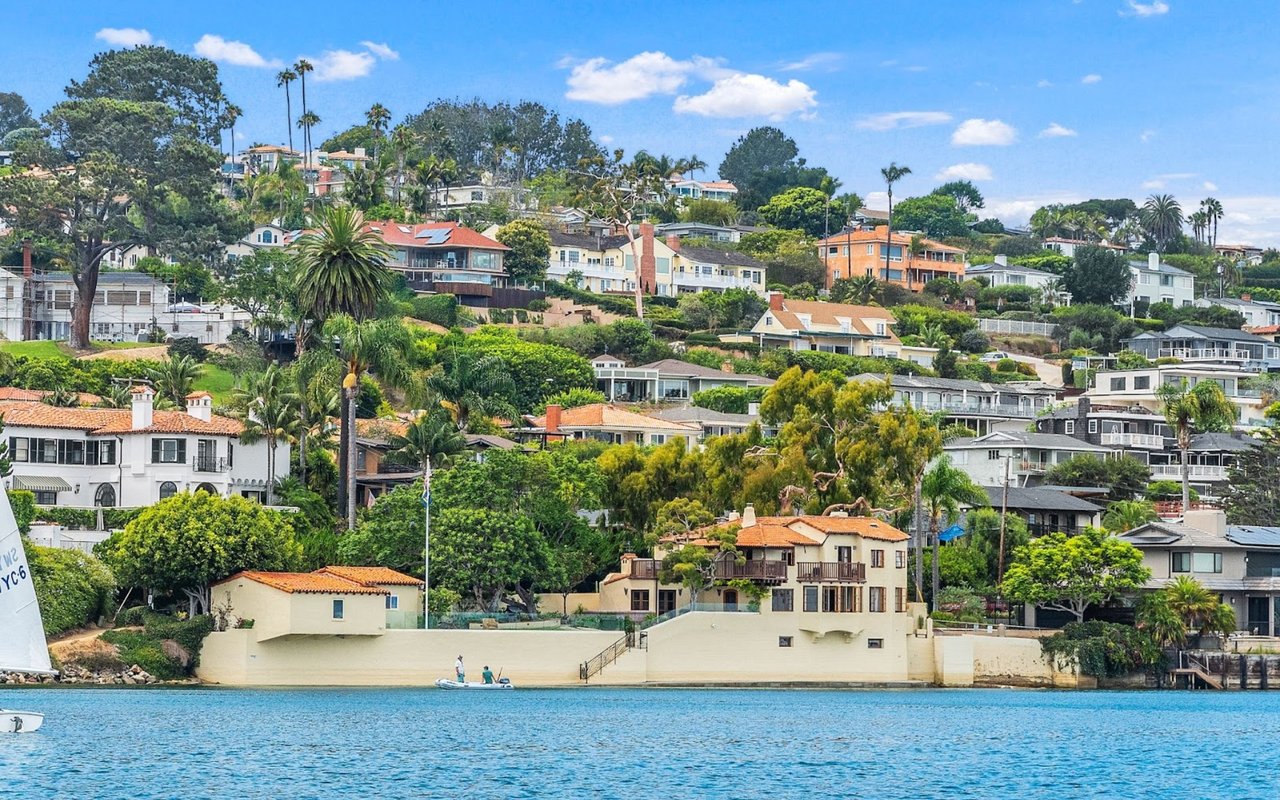
One of the most important things to know about Encinitas is that it does not read as one housing product. City design standards point to Cardiff-by-the-Sea, Old Encinitas, and Leucadia as older established beach communities, where eclecticism and diversity matter more than any single architectural style.
That is good news if you value variety. Instead of one dominant look, you will find a mix shaped by age, lot pattern, location, and community context.
For sellers, that also means pricing and positioning should be highly specific. A home’s story often depends on its exact setting, access, and architectural fit within the surrounding block or corridor.
Older coastal neighborhoods
In Cardiff-by-the-Sea, Old Encinitas, and Leucadia, the primary land use is single-family residential, with some multi-family closer to the beach. Commercial and office uses are generally clustered along Highway 101 on small lots, which helps preserve a residential fabric while keeping shops and dining nearby.
Cardiff planning guidance also makes clear that there is no preferred architectural style. Single-family detached homes and townhome projects can both fit, depending on the planning area, and the eclectic mix of style and period is expected to continue.
That flexibility is part of Encinitas’ appeal. Buyers are often comparing not just square footage, but also whether they want an older beach-town setting, a village-adjacent location, or a more mixed-use environment.
Downtown housing patterns
Downtown Encinitas brings a different residential format. Multifamily guidance emphasizes porches, balconies, arcades, dormers, cross gables, hipped or gabled roofs, and projects broken into smaller four-to-eight-unit groupings.
That points toward low-rise condos, townhomes, and mixed-use living that stays compatible with the older beach-town scale. If you want to be closer to shops, dining, and events, this area may offer a different lifestyle than a detached home farther from the core.
Leucadia housing texture
In Leucadia and along the North 101 edge, planning guidance supports cottage-type buildings, pedestrian-scale massing, and small-lot development. As a result, the residential feel is often tied to older beach cottages, compact detached homes, and smaller infill-style residences rather than large, uniform tracts.
That can be especially appealing if you want a home with a more individual sense of place. It can also mean that lot size, parking, walkability, and home age deserve close attention during your search.
What buyers should focus on
In Encinitas, the better question is often not simply “Which home is best?” but “Which daily rhythm fits you best?” Two homes can be close in distance yet offer very different lifestyles depending on access, setting, and neighborhood pattern.
When you compare options, it helps to focus on a few practical factors:
- Beach access and how often you would realistically use it
- Trail proximity and outdoor routine
- Walkability to Highway 101 shops, cafes, and dining
- Home age and architectural character
- Lot size and privacy
- Whether the setting feels more village-scale, downtown, or residential
For lifestyle-driven buyers, those details often matter just as much as the finish level inside the home.
What sellers can highlight
For sellers, Encinitas often rewards a micro-location story. The most credible marketing angle is usually not broad coastal language, but the specific way your property connects to everyday life.
That may include beach or trail access, proximity to downtown or North 101 businesses, or how the home’s architecture fits the surrounding coastal context. Those are the same kinds of qualities the city’s own planning and design guidance repeatedly emphasize.
In a market with distinct sub-areas, presentation and positioning benefit from precision. A home near Moonlight Beach may speak to one buyer profile, while a village-scale Leucadia property or a downtown-adjacent residence may appeal to another.
Encinitas is a collection of coastal lifestyles
What makes Encinitas compelling is not just that it is coastal. It is that the city combines beaches, trails, commercial corridors, arts spaces, and varied home styles in a way that feels usable every day.
You can see that in the small details: a morning at Moonlight, a trail walk near the lagoon, a stop along Downtown 101, or an evening concert by the beach. For buyers, that means choosing a micro-market that fits how you want to live. For sellers, it means telling the right location story with clarity and care.
If you are considering a move in Encinitas, working with a team that understands coastal micro-markets, pricing nuance, and lifestyle positioning can make all the difference. Connect with Maxine & Marti Gellens for thoughtful guidance tailored to your goals.
FAQs
What makes everyday life in Encinitas feel different from other coastal areas?
- Encinitas combines about six miles of coastline, roughly 45 acres of beaches, more than 40 miles of trails, and walkable commercial districts, which creates a daily routine built around outdoor access and neighborhood-scale activity.
Which Encinitas beaches are most useful for day-to-day living?
- Moonlight Beach stands out for everyday convenience because it offers ADA access, year-round lifeguards, restrooms, showers, picnic facilities, fire rings, a playground, sports courts, and parking, while Swami’s, Grandview, and Beacon’s are also important access points.
What is Downtown Encinitas like for shopping and dining?
- Downtown Encinitas is a historic, walkable coastal business district with shops, sidewalk cafes, specialty retail, and restaurants, shaped by narrow lots and buildings placed close to the sidewalk.
How is Leucadia different from Downtown Encinitas?
- Leucadia’s North 101 corridor is defined by small-scale, eclectic, village-oriented development with family-owned businesses, pedestrian focus, and a more surfer-casual coastal feel.
What types of homes can you expect in Encinitas?
- Encinitas includes a mix of single-family homes, some multi-family housing near the coast, low-rise condos and townhomes in and near downtown, and smaller-scale residences in areas like Leucadia, with eclectic architecture rather than one dominant style.
What should buyers compare when looking at homes in Encinitas?
- Buyers should compare walkability, lot size, home age, beach and trail access, and whether a property sits in an older beach-town neighborhood, a village-scale corridor, or a more mixed-use downtown setting.
What should sellers emphasize when listing a home in Encinitas?
- Sellers should focus on lifestyle and micro-location, especially beach or trail access, proximity to Highway 101 shops and dining, and how the home fits the area’s coastal architectural character.