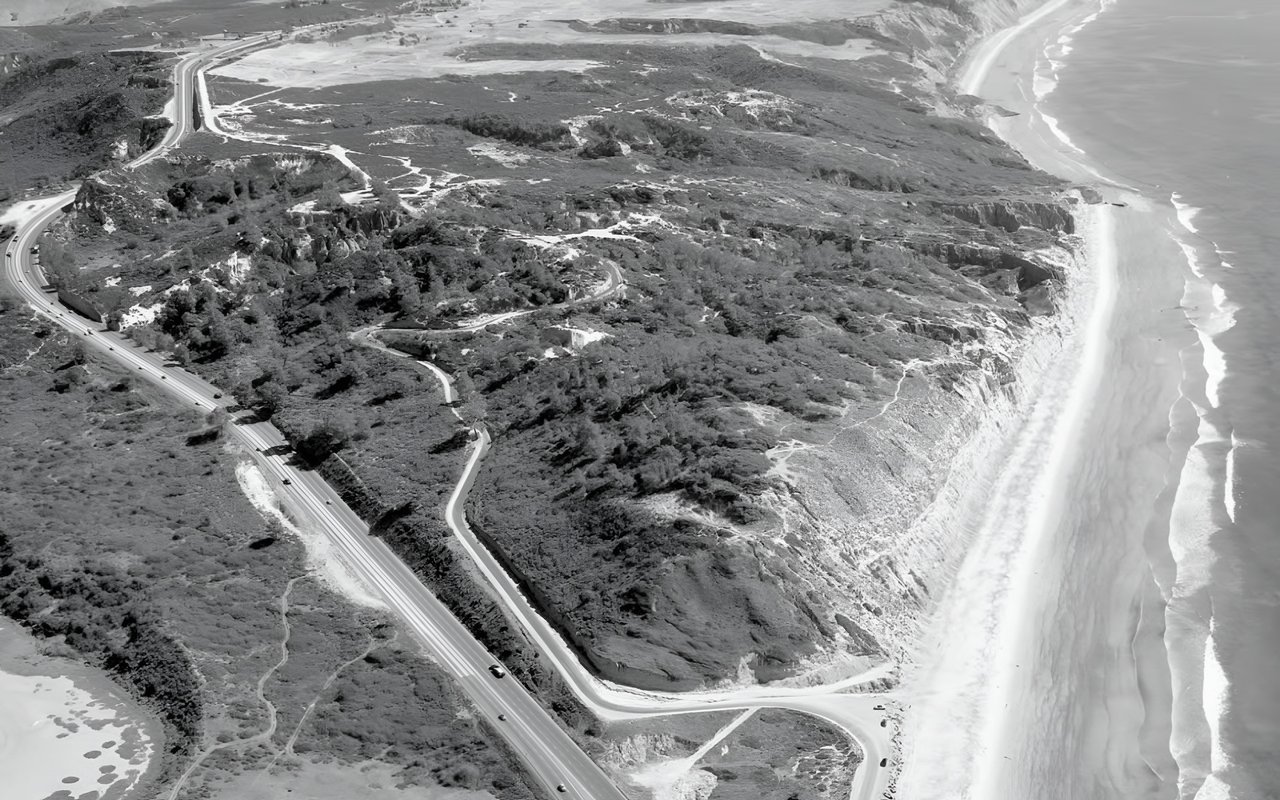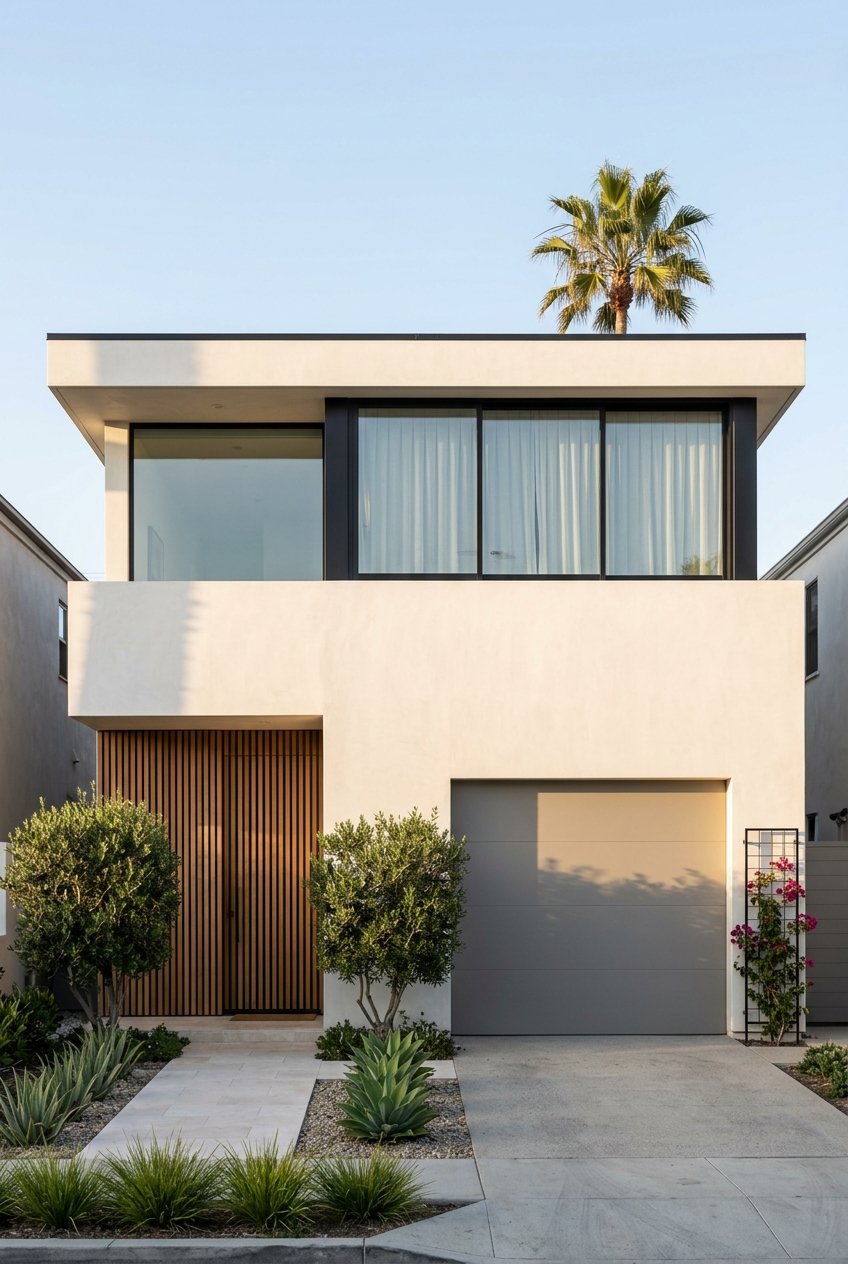
If Pacific Beach is on your second-home shortlist, you are not alone. This part of coastal San Diego offers an easy beach lifestyle, strong walkability in some areas, and year-round appeal, but it also comes with very local tradeoffs that can shape how happy you are after closing. Before you buy, it helps to understand how Pacific Beach actually lives block by block, what ownership costs can look like, and how city rules may affect seasonal use or rental plans. Let’s dive in.
Why Pacific Beach Appeals to Second-Home Buyers
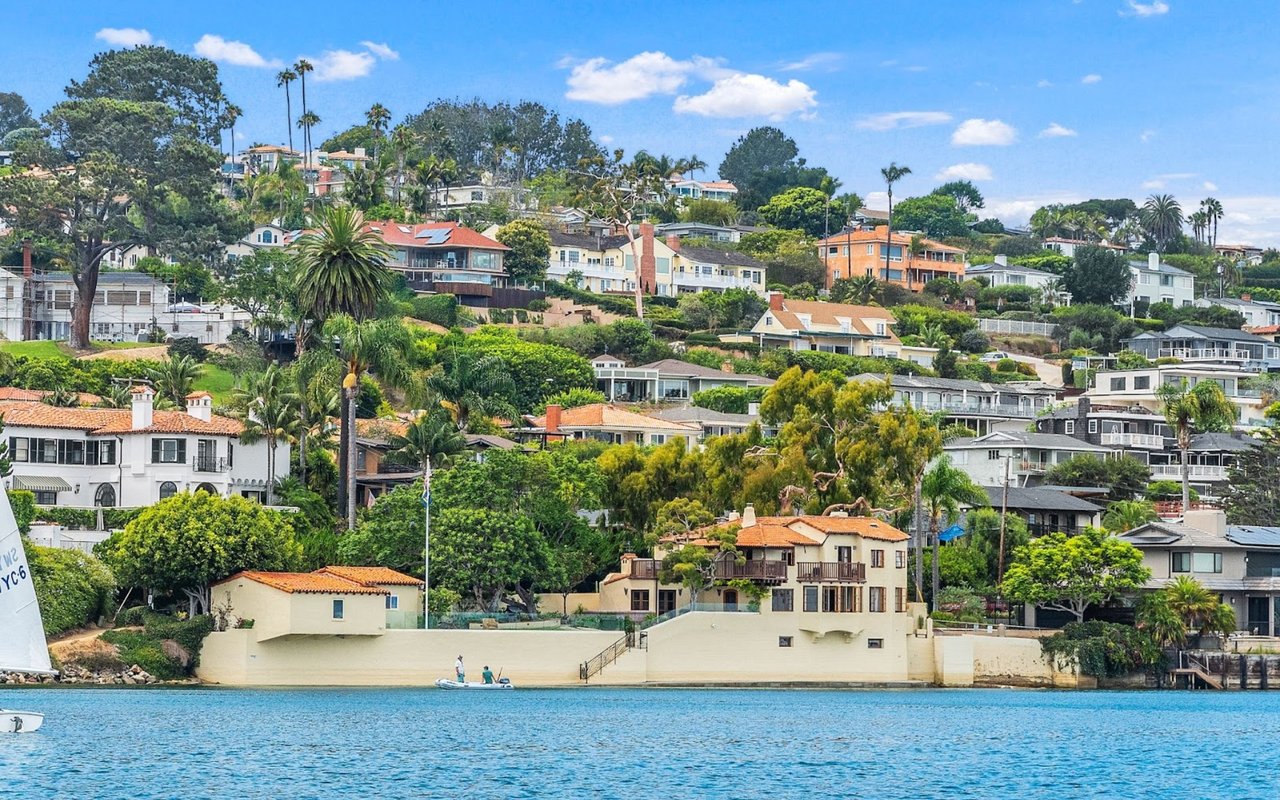
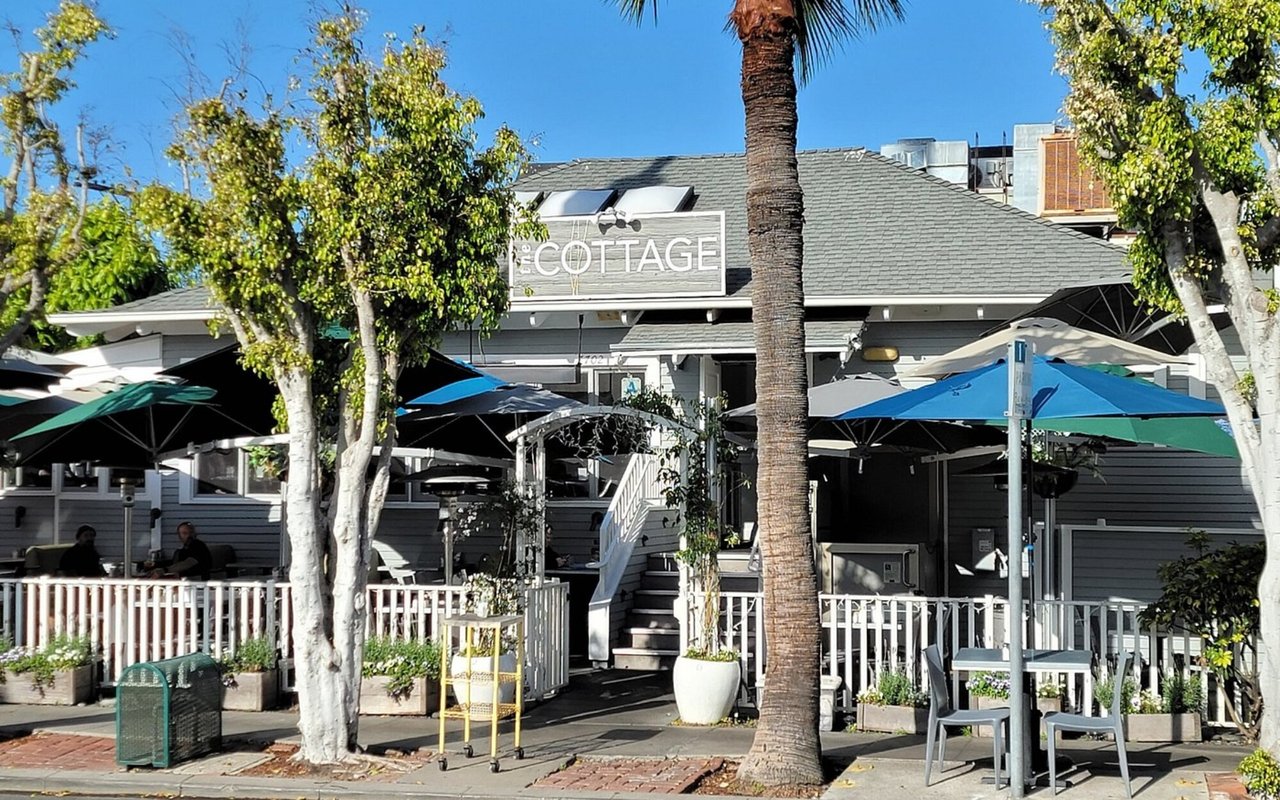
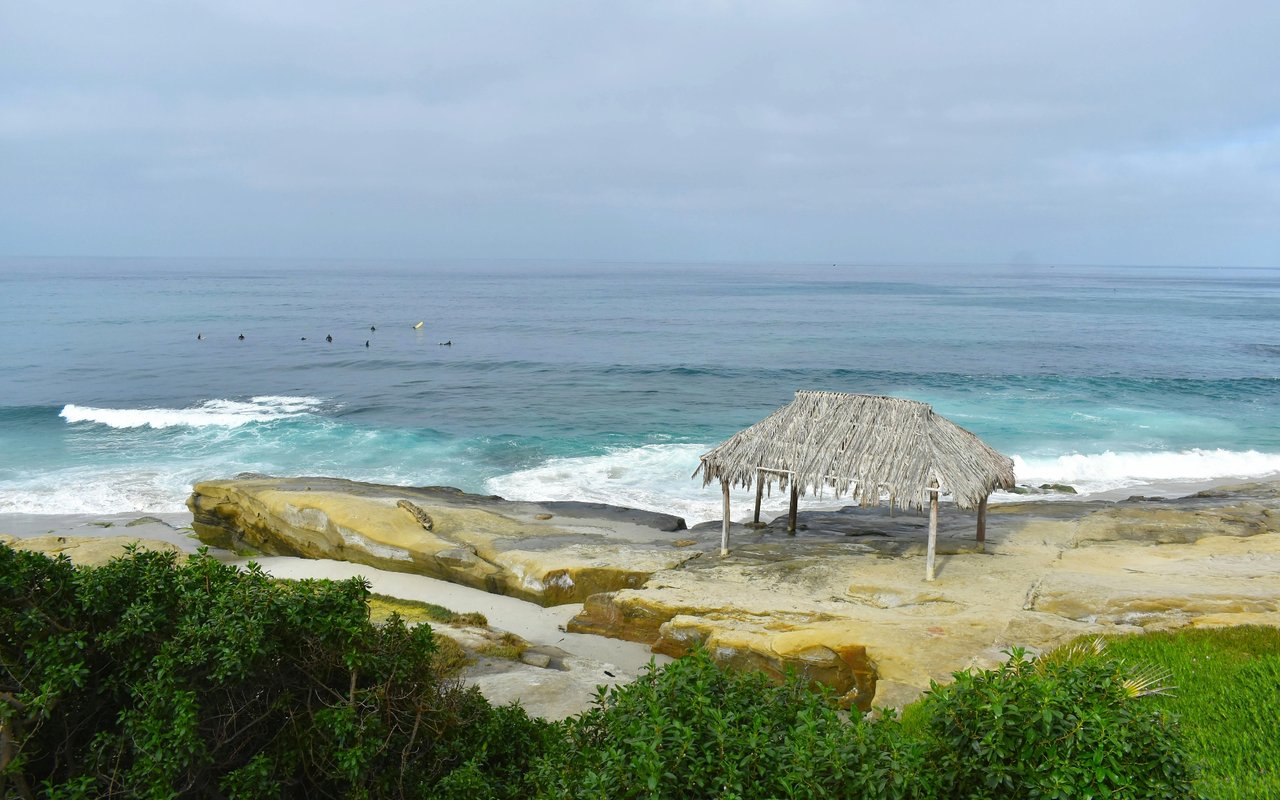
Pacific Beach is one of San Diego’s busiest beach areas, with a shoreline setting, restaurants, shops, pubs, access to Mission Bay, and a primarily residential community pattern. The area has nearly 47,000 residents, about 1,500 businesses, and several hotels, which gives it a mix of everyday neighborhood life and visitor energy.
For a second-home buyer, that blend can be very attractive. You may be looking for a place where you can lock in a coastal lifestyle now, enjoy it personally, and stay close to beaches, dining, and recreation without feeling cut off from the rest of the city.
At the same time, Pacific Beach is not one-size-fits-all. The right fit often depends less on the ZIP code and more on the exact micro-area, street feel, parking setup, and how you plan to use the property.
Pacific Beach Micro-Areas Matter
North PB Feels More Residential
North PB is not a formal city subdistrict, but it is common market shorthand for the northern end of Pacific Beach. Based on the community plan, this area trends toward a more residential feel as the neighborhood rises toward the steep hillsides near La Jolla.
If you want a second home that feels quieter and a bit more removed from the busiest visitor corridors, North PB may be worth a closer look. It can be a strong match for buyers who care more about day-to-day livability than being in the center of activity.
Central PB Is Walkable but Parking-Sensitive
Central Pacific Beach is shaped in part by the Garnet Avenue commercial corridor. City materials identify metered and time-limited parking on Garnet between Mission Boulevard and Fanuel Street, plus some blocks of Cass, Hornblend, and Bayard.
That usually means a more walkable experience, but also more parking sensitivity. If you picture stepping out to restaurants, shops, and the beach, central PB may align with that lifestyle, but you will want to look carefully at garage space, guest parking, and curb conditions around the property.
Mission Beach Is a Different Environment
Mission Beach sits just south of Pacific Beach, but it is a separate community planning area with a very different feel. The city describes it as the most densely developed residential community in San Diego and one of the most popular beach areas in the city.
For second-home buyers, that means a more compact, site-sensitive environment with larger summer crowds and tighter constraints. If you are comparing Pacific Beach with Mission Beach, do not treat them as interchangeable just because they are close together.
Expect Older Coastal Housing Stock
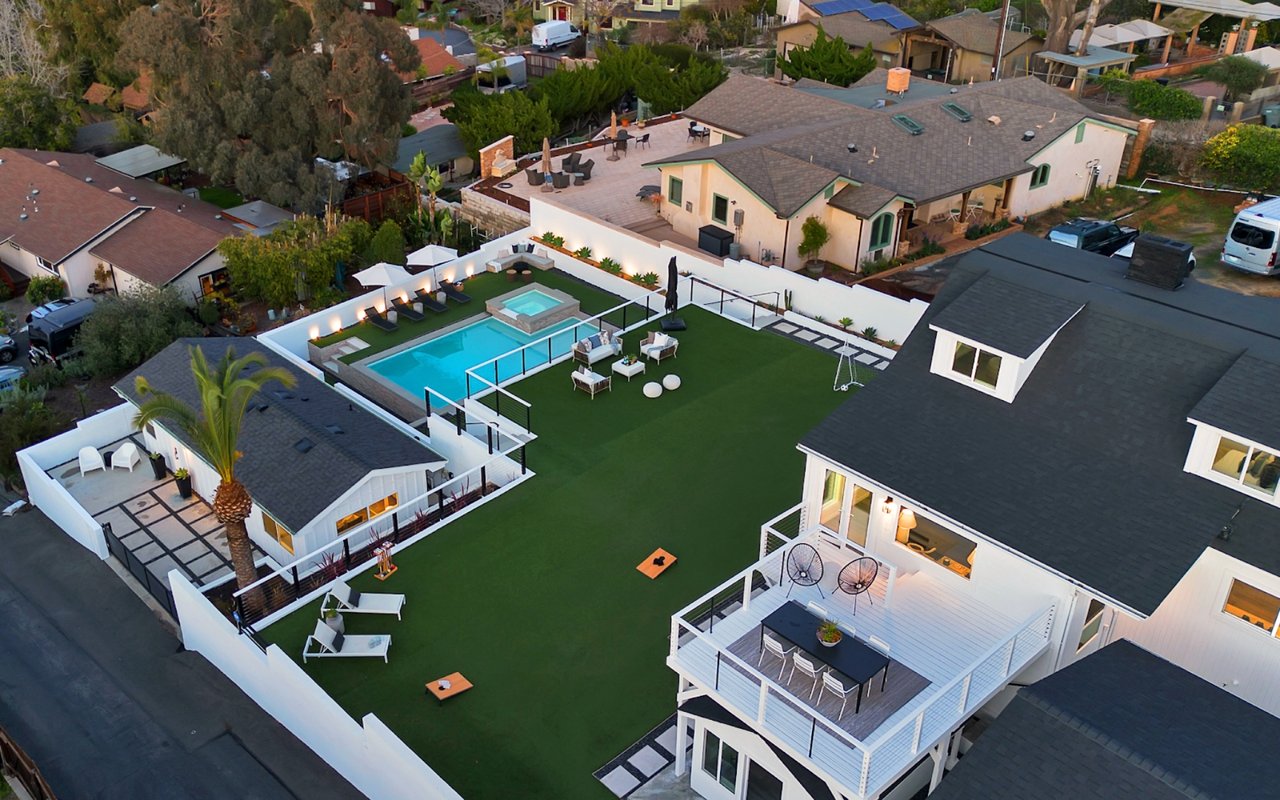
Pacific Beach was mostly built out after 1930, so the housing stock often reflects older coastal development rather than large new construction projects. That can be part of the charm, especially if you value established streets and classic beach-community character.
It also means you should look closely at the practical side of ownership. Depending on the property, you may need to think more about maintenance, systems, updates, and how the home has been improved over time.
In nearby Mission Beach, the older housing pattern and extreme density can make site conditions feel even tighter. For buyers, this is another reminder that property type and block location are not small details here. They are central to the buying decision.
Budget Beyond the Purchase Price
A second home in Pacific Beach is not just a purchase decision. It is an ownership decision with recurring costs that deserve just as much attention.
California property taxes begin with a 1% base rate, then can include bonds, fees, and special charges. In San Diego County, a change in ownership or completion of new construction can trigger reassessment, and that may lead to a supplemental assessment and supplemental tax bill in addition to the regular annual bill.
Before closing, it is smart to verify the parcel’s APN, current tax bill, and title and escrow documents. The county also tracks parcel-level Mello-Roos and other special assessments, so you will want a clear picture of any added tax burden tied to the property.
Other carrying costs can include:
- HOA dues, if the property is part of a common-interest community
- Insurance
- Utilities
- Repairs and upkeep
- Seasonal vacancy costs
These items can meaningfully change the real monthly cost of ownership. A property that looks straightforward on paper may feel very different once all recurring expenses are accounted for.
Think Carefully About Seasonal Use
Many second-home buyers want flexibility. You may plan to use the home part of the year, leave it vacant at times, or offset costs with limited rental income. In Pacific Beach, that planning needs to be grounded in the City of San Diego’s actual rules.
The city’s Short-Term Residential Occupancy ordinance applies to dwelling units used for less than one month, regardless of base zoning. To legally operate a short-term rental, owners need a Transient Occupancy Tax certificate and must collect and remit TOT.
If you rent all or part of the property for more than six days in a calendar year, the city also requires Rental Unit Business Tax. For any buyer considering seasonal rental income, these are not minor details to sort out later. They should be part of your buying strategy from the start.
Know the Short-Term Rental License Structure
San Diego uses different license tiers for short-term residential occupancy. For second-home buyers in and around Pacific Beach, the most relevant categories are:
- Tier 2 for home sharing
- Tier 3 for whole-home STRO outside Mission Beach
- Tier 4 for Mission Beach whole-home STRO
The city also requires minimum annual utilization for Tier 3 and Tier 4 licenses. That matters if your plan is only occasional rental use, because your intended use may not align with the city’s operating requirements.
As of June 2026, the city says Tier 3 whole-home licenses are still available, while Tier 4 Mission Beach whole-home licenses are on a closed waitlist. For buyers who want a vacation-rental angle, that makes Mission Beach materially more constrained than Pacific Beach.
The city also notes that its STRO FAQs are general guidance and not legal advice. If rental income is part of your second-home plan, it makes sense to confirm your use case before you buy, not after.
TOT Is Not One Flat Citywide Rate
Short-term rental math should be built from the actual parcel, not a rough assumption. Under Measure C, the city’s TOT system varies by tax zone effective May 1, 2025.
That means any rental pro forma should confirm the property’s real tax zone instead of using a single citywide number. If you are comparing two homes with similar pricing but different rental expectations, this detail can affect the economics.
Noise and Parking Can Shape Daily Enjoyment
In Pacific Beach, lifestyle and logistics are closely linked. The city describes PB as one of San Diego’s busiest beach areas, and large summer crowds are common. Mission Beach also sees large summer crowds.
For you as a second-home owner, that can translate into heavier pedestrian activity, more parking competition, and greater noise exposure during peak season. A home that feels calm on a weekday morning in the off-season may feel very different on a summer weekend.
The City of San Diego says reduced noise levels generally must be maintained between 10 p.m. and 7 a.m. in residential zones. From a buyer’s perspective, that makes block-level noise exposure an important due-diligence item, especially near the beach, nightlife corridors, or other busy visitor areas.
What to Check Before You Make an Offer
A strong Pacific Beach second-home purchase usually starts with matching the property to your real use case. Before you write an offer, it helps to pressure-test the basics.
Here is a practical checklist:
- Confirm which part of Pacific Beach best fits your lifestyle
- Review parking carefully, including garage size and guest options
- Check whether the property sits near metered, timed, or managed parking areas
- Verify the APN and review current property tax information
- Look for Mello-Roos or other special assessments
- Review HOA rules, if any apply
- Estimate insurance, utilities, maintenance, and vacancy costs
- Confirm whether your intended seasonal or rental use fits city STRO rules
- Understand whether the property is in Pacific Beach or Mission Beach, since rules and conditions can differ in meaningful ways
In a coastal market like this, small details can affect both enjoyment and long-term value. The most successful buyers usually take a very block-by-block approach.
The Real Question Is How You Plan to Use It
The biggest mistake second-home buyers make in Pacific Beach is focusing only on the dream and not enough on the fit. The better question is not simply, “Should I buy in Pacific Beach?” It is, “Which part of Pacific Beach best supports the way I will actually live in the home?”
North PB may suit you if you want a more residential setting. Central PB may suit you if walkability is a top priority and you are comfortable with more parking sensitivity. Mission Beach may appeal if you want a denser, highly beach-centric environment, but it comes with tighter constraints, especially for whole-home short-term rental plans.
When you approach the decision with that level of clarity, you are much more likely to buy a second home that works well not just on closing day, but for years to come.
If you are weighing Pacific Beach against other coastal San Diego options, or want help comparing blocks, property types, and ownership tradeoffs, Maxine & Marti Gellens offer the kind of hyperlocal guidance that can make a second-home purchase feel far more informed and far less stressful.
FAQs
What should I know before buying a second home in Pacific Beach?
- You should understand the specific micro-area, expected parking conditions, ownership costs, possible supplemental property taxes, and whether your intended seasonal or rental use fits San Diego’s local rules.
Is North Pacific Beach better for a quieter second-home lifestyle?
- North PB is generally understood as having a more residential feel than busier parts of Pacific Beach, which may appeal if you want a calmer everyday setting.
How does central Pacific Beach differ for second-home buyers?
- Central PB tends to offer more walkability near the Garnet Avenue corridor, but it is also more parking-sensitive because of meters, time limits, and heavier visitor activity.
Can I use a Pacific Beach second home as a short-term rental?
- Potentially, yes, but the City of San Diego’s STRO rules apply to rentals of less than one month, and you may need a license, a TOT certificate, and other tax compliance depending on how the property is used.
Is Mission Beach easier or harder for whole-home short-term rentals?
- Mission Beach is more constrained, and as of June 2026 the city says Tier 4 whole-home licenses there are on a closed waitlist, while Tier 3 whole-home licenses outside Mission Beach are still available.
What extra costs should I budget for with a Pacific Beach second home?
- In addition to the purchase price, budget for property taxes, possible supplemental tax bills, Mello-Roos or special assessments if applicable, HOA dues, insurance, utilities, repairs, and seasonal vacancy costs.